Why prices rise and fall, and how UK inflation is actually measured
Inflation is tracked by pricing a fixed basket of everyday goods and services each month, and the headline CPI figure shapes everything from benefits to interest rates.
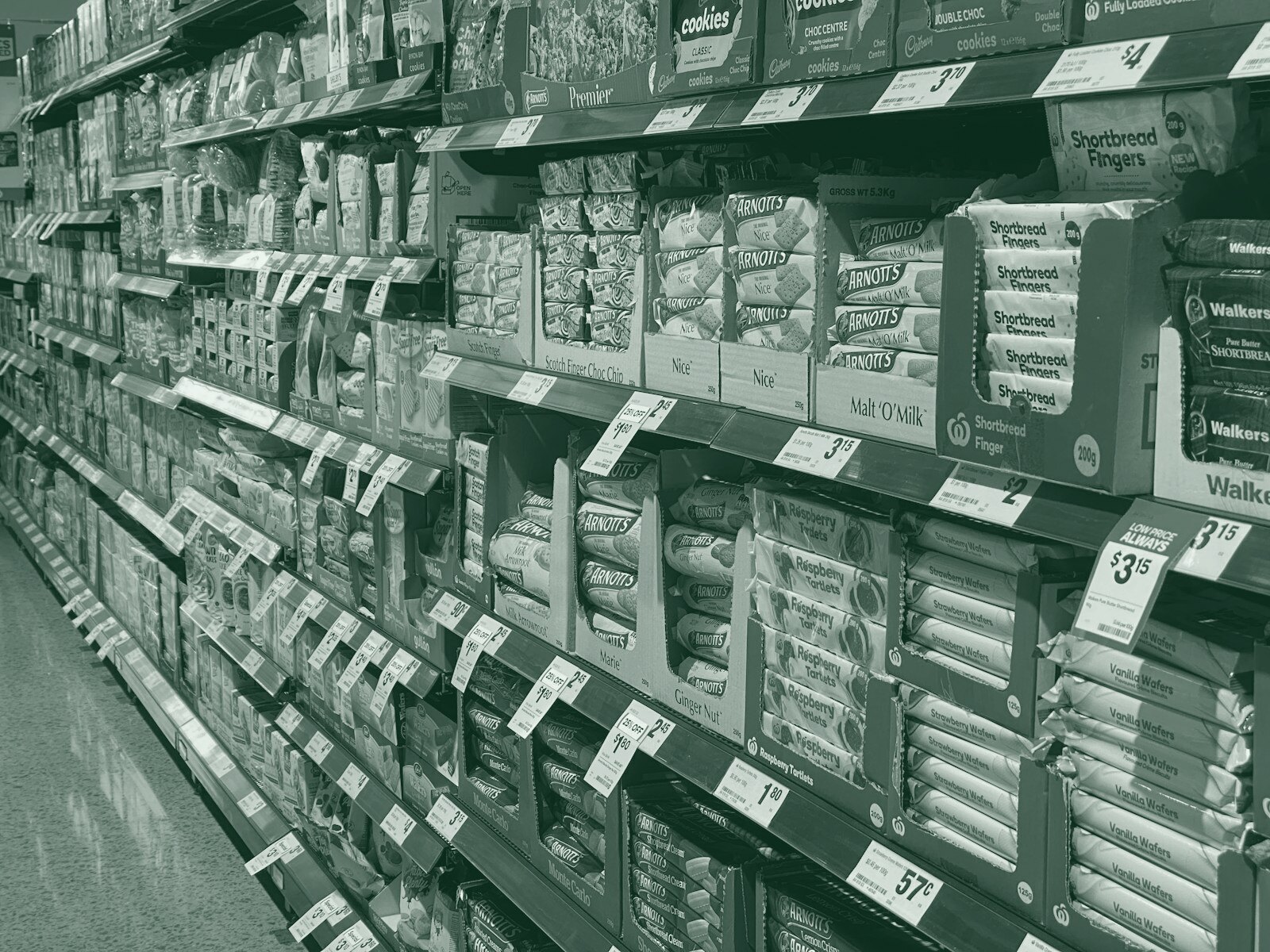
When the news says inflation is running at a certain percentage, it is describing how much more expensive life has become over the past year. But that single number hides a surprisingly hands-on process, one that involves collecting hundreds of thousands of individual prices every month. Understanding how it is built helps you read the headlines with a clearer eye, and see why your own experience of rising costs might differ from the official figure.
The basket of goods
The main measure of UK inflation is the Consumer Prices Index, or CPI, produced by the Office for National Statistics. The idea is deliberately simple: pick a representative basket of goods and services that households actually buy, from bread and petrol to streaming subscriptions and haircuts, then track how the total cost of that basket changes over time.
Each item is given a weight reflecting how much of a typical household budget it takes up, so a change in the price of energy or food moves the index more than a change in the price of something people rarely buy. The basket is reviewed every year and items are added or dropped to keep it in step with how people spend, which is why the annual update of what is in and what is out becomes a news story in its own right.
Why your inflation is not the average
The CPI figure is an average across the whole country, which means it rarely matches any one household exactly. If a big share of your spending goes on things that have risen faster than average, such as energy or rent, your personal inflation rate can be well above the headline. If you spend more on categories that have been flat or falling, you may feel it less.
This is why two people can look at the same inflation number and reasonably disagree about whether it feels right. Neither is wrong; the average is doing its job, but averages smooth over the very real differences in how households spend.
Why the number matters beyond the shops
Inflation is not just a description of the past. It feeds directly into decisions that affect your money. The Bank of England has a target for inflation and adjusts its main interest rate to try to keep price rises in check, which in turn influences mortgage rates and savings returns. Government also uses inflation measures when deciding how to uprate certain benefits, pensions and thresholds, so the figure the ONS publishes can ripple through to your income months later.
The practical takeaway: treat the headline inflation rate as a national average, not a personal one. If you want to understand your own cost of living, look at the categories where you spend the most and check how those specific prices are moving, using the detailed breakdowns the ONS publishes alongside the headline figure.